 EN
EN
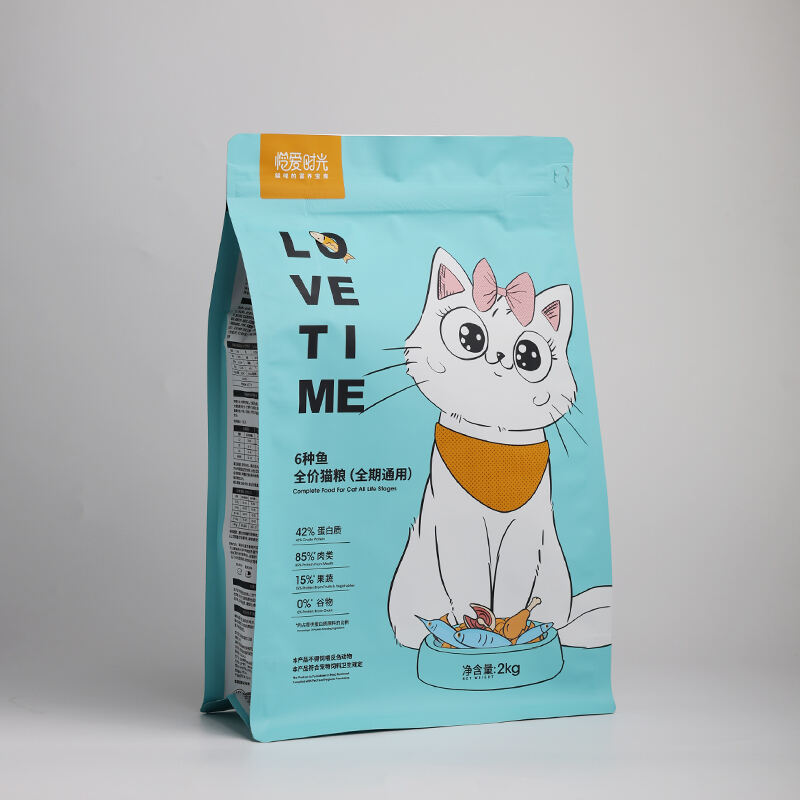
The Rise of Stand-Up Pouches for Dry Food Packaging and Pet Treats Packaging
The market for stand-up pouches has really taken off in recent years, especially among companies selling dry foods and pet treats. Flexible packaging is becoming increasingly popular too, with growth rates hitting around 18% per year since 2020 according to PMMI's latest report. What makes these pouches so attractive? They stand upright on shelves which catches shoppers' eyes, plus they offer real practical benefits. Most food producers are switching to pouches these days, about 7 out of 10 actually, when making things like dog kibble, beef jerky strips, or those fancy freeze dried snacks pets love. For pet treat businesses specifically, the move toward these pouches makes total sense. Brands need something small enough to fit anywhere but still keeps contents fresh longer. And let's not forget the money saved on shipping costs either. Compared to traditional cans or cardboard boxes, companies can cut transportation expenses by nearly half when using these lightweight alternatives.
Key Advantages of Flexible Packaging for Pet Food and Treats Over Rigid Containers
Modern stand-up pouches outperform traditional packaging through:
- Space Efficiency: 53% denser pallet loading vs. cans
- Barrier Customization: Multi-layer films with EVOH or aluminum foil blocking oxygen (<0.5 cc/m²/day) and moisture vapor (<0.1 g/m²/day)
- User Experience: Resealable zippers preserve freshness 3x longer than clip closures
Brands report 22% fewer product returns since switching to flexible formats, as laminated materials prevent leaks and crushing during transit.
Consumer Demand Driving Innovation in Pouch Packaging for Dry Foods
According to FMI's 2022 report, around two thirds of pet food shoppers want packages they can seal again after opening. So it's no surprise manufacturers have started adding those press close zippers and tear notches to their packaging designs. Green concerns are changing things too. About half of all customers prefer stand up pouches made from materials that actually get recycled rather than traditional plastic jars. This has pushed companies to experiment with PCR films and compostable liners in ways we haven't seen before. The market wants to see what's inside without tearing open the bag, which explains why so many packages now feature clear viewing windows. And for those tricky dry mixes that tend to spill everywhere? Manufacturers are increasingly including angled spouts that let owners pour precisely without making a mess.
Material Selection and Barrier Properties for Optimal Product Protection
Evaluating Packaging Materials (PET, PE, Aluminum Foil, EVOH) for Optimal Protection
Picking out the best materials for those stand up pouches means finding a sweet spot between what they cost, how well they work, and what the actual product needs. Take PET for example. This stuff is clear as glass and pretty tough mechanically too, which makes it great when manufacturers want customers to see those dry snacks inside. Then there's regular old polyethylene or PE. It bends nicely and keeps moisture out, though it doesn't stop oxygen from getting through. Aluminum foil on the other hand? That baby blocks both light and gases like nobody's business. Some recent numbers from 2023 actually found aluminum foil standing up to moisture about 200 times better than normal PE film. And let's not forget EVOH material either. When layered properly, this stuff cuts down on oxidation risk almost completely, around 98% less than if we just used one type of material throughout the whole pouch.
| Material | Key Strength | Limitation |
|---|---|---|
| PET | Clarity, durability | Moderate oxygen barrier |
| PE | Moisture resistance, cost | Low gas barrier |
| Aluminum Foil | Total light/gas blockage | Not recyclable |
| EVOH | Superior oxygen barrier | Humidity sensitivity |
(Adapted from material performance comparisons in flexible packaging studies)
Barrier Properties Against Moisture, Air, and Light: Matching Material to Shelf Life Needs
For dry food products such as cereals, stand up pouches must have water vapor transmission rates (WVTR) below 2 grams per square meter per day if we want to keep them from going stale. Pet treats containing more fat are different though they need oxygen transmission rates (OTR) under about 15 cubic centimeters per square meter daily to stop them from turning rancid. Some recent testing back in 2023 showed that when pouches contain EVOH layers instead of just polyethylene, they actually keep products fresh around 60 percent longer. And then there's light sensitive stuff like vitamins where manufacturers typically go for either opaque materials or those special metallized films that block almost all UV rays, somewhere close to 99 percent actually.
Comparing Material Performance for Dry Foods vs. Pet Treats Packaging
When it comes to packaging dry pet food, keeping moisture out is key, typically requiring barriers that limit humidity ingress to around 1.5% or less. Pet treats tell a different story though since they need protection from oxygen because fats tend to go rancid much faster. Take freeze dried dog treats for instance. These often come in aluminum lined pouches which can keep them fresh for about 18 months. The same product packaged in regular PET/PE bags only lasts half that time, roughly 9 months. There's some good news on the horizon though. Recyclable single material pouches made with newer polypropylene blends are hitting market now. They manage oxygen transmission rates around 25 cubic centimeters per square meter per day, which works well enough for most kibbles that don't sit on shelves forever.
How Moisture, Oxygen, and Light Impact Shelf Life of Dry Foods and Pet Treats
When moisture content goes over 5% water activity level, microbes start growing in those jerky dog treats we all know and love. And if oxygen gets above 0.5%, watch out for vitamins disappearing fast from fortified cereals on store shelves. Light is another problem for sensitive nutrients. Take spinach flavored pet snacks for example they can lose around 40% of their vitamin A when stored in clear plastic bags for just six months. But put them in foil lined packaging instead? Only about 10% gets lost under similar storage conditions. Industry tests now focus on creating realistic scenarios for products throughout their journey from factory to consumer hands. Temperature changes during shipping and handling are particularly important factors being studied these days as companies try to maintain nutritional integrity across distribution networks.
Testing and Measuring Barrier Efficacy in Pouch Packaging for Pet Treats
To simulate how pouches will hold up over time, accelerated aging tests typically run them at around 38 degrees Celsius with 90% relative humidity for three months straight. This helps predict what happens after those same pouches sit on store shelves for a full year. Most top companies rely on gas chromatography equipment that can spot even tiny amounts of oxygen getting in - as little as 0.01 parts per million. For water vapor transmission rates, they often turn to laser technology which measures down to about 0.05 grams per square meter per day. Some recent field testing back in 2023 found something interesting though. Pouches made with a combination of EVOH and aluminum layers kept their protective qualities intact through over fifty times of being opened and closed again. That kind of durability matters a lot when we're talking about pet food treats that get accessed multiple times throughout the day.
Zipper, Slider, and Press-to-Close Options in Stand-Up Pouches for Pet Treats
Stand up pouches today come with three main ways to seal them again after opening: zippers, sliders, and those press to close strips. The zipper type is really popular in pet treat packaging because they can last through about 10,000 openings and closings according to Greyb's research from 2024. Slider systems are great for people who have busy hands since they only need one hand to operate. Press to close options work well for small single serving packages but can be tricky sometimes as the user needs to line things up just right for a good seal. A recent look at how people interact with these flexible packaging closures shows something interesting. Around 78 percent of folks actually care about what they feel when sealing their pet food bags again, preferring ones that make a clear clicking sound when properly closed.
User Experience and Functionality: Resealable Packaging Features in Real-World Use
The shift toward reclosable stand-up pouches stems from practical consumer needs:
- 63% of pet owners report portioning treats multiple times daily
- 41% store opened pouches in humid environments like garages or laundry rooms
- 92% consider reseal reliability their top packaging priority (GreenPack 2023)
Field tests reveal that pouches with dual-layer zippers maintain barrier integrity through 50+ openings, outperforming single-track designs by 300% in moisture protection. This aligns with findings from consumer packaging studies showing that easy-reclose features can increase repeat purchases by 19% in competitive markets.
Durability and Cost Trade-Offs Between Closure Types in Dry Food Applications
| Closure Type | Cost Per Unit | Cycles Before Failure | Moisture Ingress Risk |
|---|---|---|---|
| Zipper Track | $0.12 | 10,000 | <0.5% |
| Slider | $0.18 | 15,000 | 0.2% |
| Press Seal | $0.07 | 500 | 3.1% |
High-volume dry food producers often opt for hybrid systems, combining press seals for initial closures with zippers for long-term storage. Bulk cereal manufacturers report 27% fewer customer complaints after adopting reinforced slider mechanisms despite 15% higher packaging costs.
Determining the Right Size for a Stand-Up Pouch Based on Portioning and Consumption Patterns
Optimal pouch capacity depends on three key factors:
- Daily consumption rates (15g average for cat treats vs. 85g for large-breed dog snacks)
- Kitchen storage norms (68% of consumers prefer under 1L pouches for countertop storage)
- Retail shelf dimensions (standard 8" depth limits pouch base width)
Industry data shows a 31% reduction in food waste when stand-up pouch sizes align with pet weight categories, with 2lb bags being optimal for medium dogs consuming 1 cup/day.
Pouch Size and Capacity Optimization to Reduce Waste and Improve Shelf Presence
Strategic scaling balances two competing priorities:
- Vertical "slimline" pouches (3:1 height-to-width ratio) achieve 40% better shelf visibility
- Wide-base designs (6" bottom gusset) enable stable 10lb capacities for bulk buyers
A 2024 packaging efficiency study found that tapered pouches combining both principles increased sales velocity by 22% while reducing material waste by 9% through optimized roll-stock utilization.
Maximizing Shelf Impact with High-Clarity Films and Vibrant Printing on Stand-Up Pouches
Modern retail shelves are increasingly filled with stand-up pouches thanks to their clear films and fancy printing tech. The transparency of materials such as PET lets shoppers actually see what's inside those bags of snacks or dog treats, which builds trust and makes people more likely to buy them. When manufacturers go all out with vibrant CMYK prints or even some metallic finishes, they get full circle branding potential around the package. Some research from Packaging Innovation Report back in 2023 found that pouches with spot colors stick in customers' minds about 38% better than regular printed ones. Brands wanting to grab attention on crowded shelves should think about how colors work psychologically too. Using contrasting hues strategically can make a product stand out roughly 25% more than if it were just plain old black and white packaging.
Aligning Pouch Design with Brand Identity for Pet Treats and Premium Dry Foods
More premium pet food brands are turning to stand up pouches not just for packaging but as little storybooks about their products. The matte finish pouches with those fancy embossed logos really scream handcrafted goodness when selling organic treats, whereas the shiny glossy ones tend to look more budget friendly. According to some research from last year, around two thirds of shoppers actually think those special shaped windows on the packages mean the food inside is fresher. Smart companies keep everything looking cohesive across all their packaging materials these days. They match fonts, images, and even how the materials feel to what's in their brand。 Retailers love this too since studies show that using contrasting colors cuts down on messy displays where different products get lost among each other.
Innovative Shapes and Windows as Differentiators in Pouch Packaging for Dry Foods
The old rectangular shapes are being swapped out for die-cut side gussets and those cool asymmetric spouts these days. This change makes handling much easier and cuts down on wasted materials somewhere around 12 to 15 percent. Pet food packaging now includes these clear view strips running along the seams so folks can actually see what kind of kibble or treats are inside. A recent survey showed about 58 percent of pet parents really appreciate this when they care about knowing exactly what goes into their furry friends' meals. And speaking of packaging innovations, many gluten free dry food brands have started using trapezoidal bases instead. These special shapes help keep packages stable when stacked vertically on store shelves while still leaving plenty of space for important labels and information.
Retail Display Efficiency and Consumer Preference Trends in Pouch Dimensions
The standard size for most dry food packages is around 8 inches wide by 12 inches tall, and these take up about 72% of shelf space in grocery stores because they fit nicely on regular display racks. Some upscale brands are starting to experiment with different dimensions though, like those 6 inch wide by 16 inch tall packages that stand out more on shelves. These taller packages look kind of like fancy bottled drinks which makes them seem more premium somehow. Store owners have noticed something interesting too - when pouches take up between 8 and 10 inches of front facing space on shelves, they tend to sell about 19% faster than others. This sweet spot gives good visibility without taking too much room away from other products.
Sustainability, Compliance, and Future Trends in Stand-Up Pouch Packaging
Meeting FDA and Pet Food Safety Regulations in Stand-Up Pouch Manufacturing
The FDA has pretty strict rules about what materials can touch food products, especially important stuff like pet treats since there's always a higher risk of contamination. Most manufacturers use barrier layers made from either aluminum foil or these EVOH coatings that block out microbes really well if they're sealed properly. According to the latest Food Packaging Safety Standards from 2023, these barriers stop almost all microbial entry at around 99.8% effectiveness. And speaking of seals, modern pressure sensitive adhesives used on pouch seams hold up surprisingly well too. They maintain their integrity at about 98.5% even after being opened and closed over 500 times, which means products stay fresh longer and meet those shelf life claims that customers expect.
Sustainability Considerations in Material Selection for Stand-Up Pouches
About 43 percent of brands are moving towards circular packaging these days, specifically incorporating post consumer recycled PET into their pouch laminates which cuts down on new plastic usage somewhere between thirty to fifty percent. The latest numbers from the 2024 Flexible Packaging Sustainability Report show that well over half of all manufacturers have started focusing on either recyclable PE materials or those made from plant based sources instead. And looking at what's happening in the market right now, there seems to be growing interest too. Industry watchers report around a third more demand this year compared to last for compostable stand up pouches, especially popular with companies selling organic dog treats and premium cat foods who want to appeal to environmentally aware customers.
Industry Paradox: High-Barrier Materials vs. Recyclability in Flexible Packaging
The existing recycling system manages to handle just around 22% of those complex pouches made with aluminum or EVOH layers, which creates real problems when trying to balance food safety requirements against green initiatives. There's hope though with mono-material polypropylene (PP) options that actually perform pretty well, getting close to 85% of what traditional EVOH combinations offer in terms of keeping out oxygen, plus they work much better with current recycling facilities. Tests where products are aged faster than normal conditions have shown these new packaging solutions can keep dry foods fresh for over 18 months even under standard storage temperatures of about 25 degrees Celsius and 60% humidity levels. That kind of shelf life makes them seriously attractive alternatives for manufacturers looking to cut down on waste without compromising quality.
Emerging Trends in Compostable and Recyclable Stand-Up Pouches for Eco-Conscious Brands
Plant-based pouches utilizing polylactic acid (PLA) and cellulose derivatives now achieve 18-month compostability certifications without sacrificing moisture barrier performance. Brands adopting these solutions report 35% higher consumer approval ratings compared to conventional designs. A 2023 consumer survey found 68% of pet owners willingly pay 12–15% premiums for packaging with certified biodegradability claims.
The Future of Smart Labeling and Traceability in Flexible Packaging for Pet Treats
Companies are starting to put blockchain powered QR codes along with temperature sensitive inks right on their pouch packaging. When customers scan these with their phones, they can actually see where ingredients came from and check if the product is still fresh enough to buy. Some early tests have found that this tech cuts down on returned goods by around 28 percent because everyone knows exactly what's going on in the supply chain. And we're not done yet either. The market for NFC tags built into pouches looks set to expand at about 40% each year until 2027. Retailers will love this since it lets them track stock levels instantly without having to manually count items all day long.
FAQ
Why are stand-up pouches popular in dry food and pet treat packaging?
Stand-up pouches are popular because they are visually appealing on store shelves and offer practical benefits like space efficiency, resealability, and cost savings in shipping.
What materials are used for stand-up pouches, and how do they protect the products?
Common materials include PET, PE, aluminum foil, and EVOH. These materials provide different levels of protection against moisture, air, and light, ensuring the freshness and integrity of the product inside.
How do resealable closures enhance usability in pouch packaging?
Resealable closures like zippers, sliders, and press-to-close strips maintain product freshness and are convenient for portioning, which is vital for consumer experience and product lifespan.
What sustainable options are available for stand-up pouch packaging?
Brands are shifting towards recyclable and compostable materials, such as post-consumer recycled PET, PE, and plant-based sources like PLA, to enhance sustainability and appeal to eco-conscious consumers.
Table of Contents
- The Rise of Stand-Up Pouches for Dry Food Packaging and Pet Treats Packaging
-
Material Selection and Barrier Properties for Optimal Product Protection
- Evaluating Packaging Materials (PET, PE, Aluminum Foil, EVOH) for Optimal Protection
- Barrier Properties Against Moisture, Air, and Light: Matching Material to Shelf Life Needs
- Comparing Material Performance for Dry Foods vs. Pet Treats Packaging
- How Moisture, Oxygen, and Light Impact Shelf Life of Dry Foods and Pet Treats
- Testing and Measuring Barrier Efficacy in Pouch Packaging for Pet Treats
-
Zipper, Slider, and Press-to-Close Options in Stand-Up Pouches for Pet Treats
- User Experience and Functionality: Resealable Packaging Features in Real-World Use
- Durability and Cost Trade-Offs Between Closure Types in Dry Food Applications
- Determining the Right Size for a Stand-Up Pouch Based on Portioning and Consumption Patterns
- Pouch Size and Capacity Optimization to Reduce Waste and Improve Shelf Presence
- Maximizing Shelf Impact with High-Clarity Films and Vibrant Printing on Stand-Up Pouches
-
Sustainability, Compliance, and Future Trends in Stand-Up Pouch Packaging
- Meeting FDA and Pet Food Safety Regulations in Stand-Up Pouch Manufacturing
- Sustainability Considerations in Material Selection for Stand-Up Pouches
- Industry Paradox: High-Barrier Materials vs. Recyclability in Flexible Packaging
- Emerging Trends in Compostable and Recyclable Stand-Up Pouches for Eco-Conscious Brands
- The Future of Smart Labeling and Traceability in Flexible Packaging for Pet Treats
- FAQ