 EN
EN
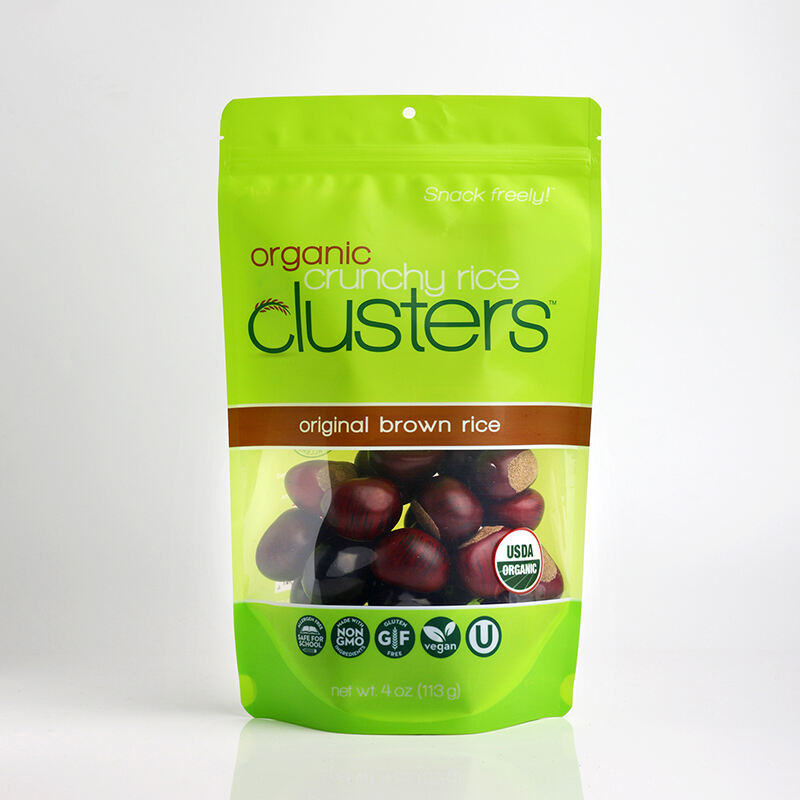
Understanding how custom food packaging prevents contamination
Food packaging bags designed specifically for certain products act as protective shields against harmful bacteria, air, and dampness. Materials such as polyethylene or EVOH can stop nearly all oxygen from getting through which helps stop microbes from growing according to Rigali Packaging research from last year. When manufacturers add layers including aluminum foil, these packages get even better at keeping out damaging light exposure and sudden changes in temperature that spoil food over time. This extra protection keeps food safe and fresh right from production until it reaches store shelves across different climates and conditions.
Key protective features: Seals, layers, and tamper-evident designs
- High-frequency sealing creates airtight closures that resist leaks during transport and handling
- 7-layer co-extruded films combine puncture resistance with high-performance vapor and gas barriers
- Tamper-evident strips offer visible proof of package integrity, reducing recall risks by 41% compared to standard bags (2023 Food Protection Report)
These integrated design elements ensure both physical protection and consumer confidence while minimizing contamination risks.
Role of cleanroom manufacturing and automation in hygiene
Packaging production in ISO Class 8 cleanrooms significantly reduces airborne contaminants. Robotic handling systems eliminate direct human contact with unsealed bags, lowering microbiological contamination risks. Automated vision inspection systems detect defects as small as 5 microns, achieving a 93% detection rate—far surpassing manual quality checks—and ensuring consistent hygiene standards.
Case Study: Reducing spoilage incidents with advanced barrier bags
A frozen seafood supplier reduced product losses by 62% after switching to vacuum-sealed EVOH barrier bags with automated nitrogen flushing. The hygienic packaging design maintained stable internal atmospheres over six-month freezer storage cycles, demonstrating how material science and precision manufacturing jointly mitigate food spoilage and safety risks.
Compliance with Food Safety Regulations and Global Standards
FDA Requirements for Food Safe Packaging Materials
According to the FDA's 21 CFR 174-179 regulations, any bag that touches food must be made from materials that won't harm what's inside. Basically, these rules stop chemicals from moving into our food by making companies test their packaging under actual conditions people might encounter. Think about when something gets left in a hot car or stored with oily snacks. The tests check how materials hold up against things like heat, acids from citrus fruits, or fats from cheese products. A good example? If a film has more than 0.5 parts per billion of benzene derivatives, which sounds tiny but matters a lot, then it gets thrown out of consideration. Companies need to get certified by outside labs and run migration tests regularly just to prove nothing bad ends up in our meals.
Meeting GFSI Benchmarks and International Compliance Norms
The Global Food Safety Initiative (GFSI), which includes standards like BRCGS and IFS, basically wants companies to do hazard analysis stuff similar to what the FDA requires under their FSMA rules. Companies that stick with GFSI certified packaging tend to see around 40% less problems with cross contamination compared to brands going the non certified route. And it's not just about paperwork either. These standards force facilities to undergo annual inspections, make sure their sterilization methods actually work, and keep detailed records on how they handle allergens. This whole package becomes pretty much mandatory if businesses want to ship products into strict regulatory areas such as Europe or Japan where food safety laws are taken extremely seriously.
SQF Certification and HACCP Integration in Packaging Processes
SQF certification requires full integration of Hazard Analysis Critical Control Points (HACCP) into packaging operations. This includes continuous monitoring of critical parameters such as heat-sealing temperatures (minimum 121°C) and humidity levels during film storage. Facilities employing automated HACCP systems achieve 99.8% defect-free output, according to industry performance data.
Supplier Approval and Material Traceability for Regulatory Readiness
These days, regulatory bodies are pushing for detailed tracking at the batch level for all polymers and inks going into food packaging bags. The newer tracking methods out there, whether they're based on blockchain technology or simple QR codes, cut down on recall response times during contamination incidents by around 70%. For suppliers, getting those FDA No Objection Letters or meeting EFSA standards isn't optional anymore. Most companies get serious about this stuff too, with roughly 93% running their own internal checks every three months just to stay ahead of any potential issues according to the Packaging Safety Report from last year.
Safe Materials and Contamination Prevention in Food Packaging Bags
Choosing Food-Safe Materials: Plastics, Coatings, and Laminates
Good food packaging needs to last but also stay chemically neutral so it doesn't react with what's inside. HDPE and PP plastics are the most commonly used materials because they've been approved by the FDA and can handle moisture, oil, and bacteria pretty well. The industry has seen some interesting developments lately with special coatings on packaging that help prevent damage from things like acidic foods or oily substances. Some manufacturers now use laminates made from aluminum foil layered with polyester film. These combinations work great at stopping UV rays and oxygen from getting through while still keeping the package flexible enough for handling and storage.
Debunking Myths: The Real Role of Plastic Packaging in Food Safety
The design of modern plastic packaging really focuses on keeping food safe for consumers. Most food contact plastics these days are BPA free, accounting for around 92 percent according to FDA data from last year, which helps tackle those growing health worries many people have. While there's still plenty of talk about environmental impact, research indicates that using plastic actually cuts down on food waste by approximately 35%, as per Packaging Digest reports in 2023. This happens because plastic creates solid barriers against contaminants. Take polymer lined containers for instance they work better than paper options when it comes to stopping dangerous bacteria like Salmonella and E. coli from spreading throughout the supply chain during transportation and storage.
Best Practices for Testing Material Safety and Preventing Contamination
Three key protocols ensure contamination control:
- Migration Testing: Simulates material interaction with food under stress conditions like heat and humidity
- Third-Party Certification: Validates adherence to ISO 22000 and FSSC 22000 standards
- Cleanroom Manufacturing: Cuts airborne particulates by 99.97% during production (GMP Guidelines 2023)
Automated sealing with vision inspection detects micropores down to 5 microns, eliminating human error in quality assurance.
Extending Shelf Life with Advanced Packaging Technologies
Modified Atmosphere Packaging (MAP) and Vacuum Sealing Benefits
Modified atmosphere packaging, or MAP for short, works by swapping out oxygen for gases like nitrogen or carbon dioxide. This simple trick can cut down on oxidation and slow bacterial growth in things like meat and cheese products by roughly 80%. Then there's vacuum sealing, which takes it a step further by removing all the air completely. This method keeps dry items such as coffee beans and nuts safe from getting damp or attracting bugs. When combined, these storage techniques make a real difference in cutting down food waste caused by spoilage. Retailers are losing around $18 billion each year because of this problem according to ReFED research published in 2023.
Data Point: Vacuum-Sealed Custom Bags Extend Shelf Life by Up to 50%
Studies confirm vacuum-sealed bags extend shelf life by 30–50%. Fresh herbs last 21 days versus 14 in standard packaging, and vacuum-packed cured meats exhibit 50% slower lipid oxidation rates.
Shelf Life Testing Methods for Evaluating Packaging Performance
| Test Type | Purpose | Industry Adoption |
|---|---|---|
| Accelerated aging | Simulates long-term storage in weeks | 89% of manufacturers |
| Microbial challenge | Measures pathogen growth inhibition | Required for FDA compliance |
| Gas permeability analysis | Verifies barrier integrity over time | 72% of shelf-life studies |
These methods enable data-driven decisions on packaging efficacy and regulatory compliance.
Matching Packaging Technology to Product Type
| Food Category | Ideal Technology | Shelf Life Gain |
|---|---|---|
| Fresh produce | MAP with 5–10% oxygen | 2–3x extension |
| Frozen meats | Multi-layer vacuum bags | Prevents freezer burn |
| Dry snacks | Nitrogen-flushed pouches | 18+ months |
Active packaging with integrated oxygen absorbers enhances performance without compromising safety, offering tailored solutions across product categories.
Smart and Sustainable Innovations in Food Packaging Bags
Integration of Smart Packaging for Real-Time Safety Monitoring
Smart sensors built into today's food packaging keep track of how fresh products stay by watching things like temperature changes, oxygen levels inside packages, and signs of bacteria growth. Some packages now come with RFID tags that don't need batteries plus special labels that actually change colors when something goes wrong. Research published last year in the Foods journal showed these smart packaging solutions cut down on wasted food by around 18 to 23 percent for items that go bad quickly because they give real information throughout the whole delivery process from farm to table. Take for instance those special films that soak up ethylene gas which makes fruits ripen faster, or the little indicators that show if meat has stayed at proper temperatures during transport. These innovations help grocery stores and restaurants avoid throwing away good food just because it looks expired.
Recycled vs. Virgin Polymers: Balancing Sustainability and Safety
More companies are turning to post consumer recycled (PCR) materials instead of brand new plastics as part of their green initiatives. According to Plastics Europe data from last year, switching to PCR cuts down on landfill trash by around 34%. But there's a catch. These recycled materials need pretty intense cleaning processes before they can be used in anything that touches food. The good news is newer sorting tech has made real progress. Some facilities can now create food safe recycled plastic with contamination levels under 50 parts per million, which works well enough for things like packaged snacks and frozen meals. Still, when it comes to juicy fruits or tangy sauces, manufacturers often have no choice but to stick with virgin plastic linings inside packaging. Food safety regulations just won't allow anything else, even though this creates something of a dilemma between wanting to recycle everything and keeping consumers healthy at the same time.
Table of Contents
- Understanding how custom food packaging prevents contamination
- Compliance with Food Safety Regulations and Global Standards
- Safe Materials and Contamination Prevention in Food Packaging Bags
- Extending Shelf Life with Advanced Packaging Technologies
- Smart and Sustainable Innovations in Food Packaging Bags