
 EN
EN
Understanding Leakage Risks in Juice and Sauce Packaging
Common Causes of Leakage in Plastic Juice Bags and Sauce Pouches
Leakage in plastic juice bags and sauce pouches typically stems from four primary failure points:
- Material flaws: Microscopic tears or inconsistent polymer layers in packaging films
- Sealing defects: Inadequate heat, pressure, or dwell time during production
- Chemical incompatibility: Packaging degradation from acidic juices (pH <3.5) or oil-based sauces
- Handling stress: Puncture risks during transportation and storage
A 2023 packaging integrity study found that 68% of leaks originate from seal-related issues, particularly inconsistent temperature control during heat sealing. Addressing these root causes through material upgrades and process optimization can reduce leakage rates by up to 85%.
How Acidity, Viscosity, and Shelf Life Affect Packaging Integrity
High-acidity juices like citrus blends accelerate chemical interactions with plastic layers, weakening seal strength over time. Viscous products (e.g., tomato paste, BBQ sauces) create hydraulic pressure on seals during dispensing, requiring reinforced side gussets. For shelf-stable products, materials must maintain:
- Oxygen transmission rate: <0.5 cc/m²/day to prevent oxidation
- Water vapor barrier: <0.8 g/m²/day to retain moisture
- Seal durability: Minimum 4 N/15mm strength after 12-month storage
Recent advances in multi-layer films now enable 18–24 month shelf life for pH-sensitive products without compromising sustainability goals.
Material Selection: Balancing Performance and Sustainability in Plastic Juice Bags
Choosing the right materials for plastic juice bags requires balancing leak prevention, shelf-life demands, and environmental responsibility. Manufacturers must navigate rising consumer expectations for sustainability (48% prioritize eco-friendly packaging in food products – Sustainable Packaging Coalition 2024) while maintaining structural integrity against acidic juices and viscous sauces.
Multi-Layer Barrier Films for Enhanced Moisture and Oxygen Resistance
Today's juice bags made from plastic often feature these fancy 5 to 7 layer film constructions. They mix polyethylene which gives them that nice flexibility with EVOH material that really blocks out oxygen. The layered design works wonders for keeping air away from the contents. Oxygen transmission drops down to about 0.05 cc per square meter each day, which means products stay fresh about 30 percent longer than those old single layer options did back in the day. Some recent research from 2023 looked at how well certain sauce pouches held up over time. These particular ones had special silicon oxide coatings on their PET layers and managed to keep their thickness and consistency stable throughout an impressive 18 month period when stored at room temperature around 25 degrees Celsius.
Comparing Polymer Types for Leak-Proof Liquid Packaging
| Polymer | Leakage Rate* | Recyclability | Cost Index |
|---|---|---|---|
| HDPE | 0.8% | Widely | 1.0 |
| LDPE | 1.2% | Limited | 0.9 |
| PP | 0.5% | Moderate | 1.1 |
| Per 10,000 units in accelerated shelf-life testing (Packaging Digest 2024) |
High-density polyethylene (HDPE) dominates due to its crystallinity-driven puncture resistance, while polypropylene (PP) excels in high-temperature filling processes common in aseptic juice packaging.
Eco-Friendly Materials Without Compromising Seal Strength
New biopolymer combinations such as PLA-PBAT mixtures are reaching impressive heat seal strengths around 4.2 Newtons per 15 millimeters, which actually matches what we see from regular plastic materials these days. Plus, they cut down on carbon emissions by about sixty percent according to research published in the Food Packaging Journal last year. Looking at another angle, the 2025 Reusable Packaging Metrics Report found that high density polyethylene containers can survive over five hundred cleaning cycles, making them practical options for transporting large quantities of juice within a circular economy framework. There's also promising developments with modified cellulose films containing nano clay additives. These materials effectively block harmful ultraviolet radiation and maintain leakage rates below 0.1 percent throughout twelve month testing periods, showing real potential for food packaging applications.
Sealing Technologies and Techniques for Maximum Leak Prevention
Heat Sealing and Ultrasonic Methods in Plastic Juice Bag Production
These days, most companies making plastic juice bags depend on two main sealing techniques to stop those annoying leaks. The first one is heat sealing, which basically melts the polymer layers together to make them airtight. Some industry tests have shown that when manufacturers apply heat between 130 and 150 degrees Celsius to these multi-layer films, they get about 99.8% successful seals according to PIRA International from last year. Then there's ultrasonic welding, where machines vibrate at super high frequencies to melt the materials together without needing any glue or adhesive stuff. This method works really well for acidic drinks like orange juice because regular seals tend to break down over time when exposed to such products.
Optimizing Temperature, Pressure, and Dwell Time for Stronger Seals
Seal strength in sauce pouches improves 27% when maintaining:
| Parameter | Optimal Range | Effect on Seal Quality |
|---|---|---|
| Temperature | 140–160°C | Ensures polymer activation |
| Pressure | 40–60 PSI | Eliminates air pockets |
| Dwell Time | 1.5–2.5 seconds | Achieves full molecular bond |
Over-pressurization reduces seal width by 18% in lab tests, highlighting the need for parameter calibration.
Resealable Closures and Tamper-Evident Features in Flexible Packaging
Innovations like tear-notches and press-to-close zippers prevent 92% of user-induced leaks in field studies while maintaining barrier properties. Tamper-evident ink strips now integrate with packaging films to show contamination attempts without compromising recyclability—a critical advancement for brands balancing functionality and environmental goals.
Innovative Design Strategies to Prevent Leaks in Sauces and Juices
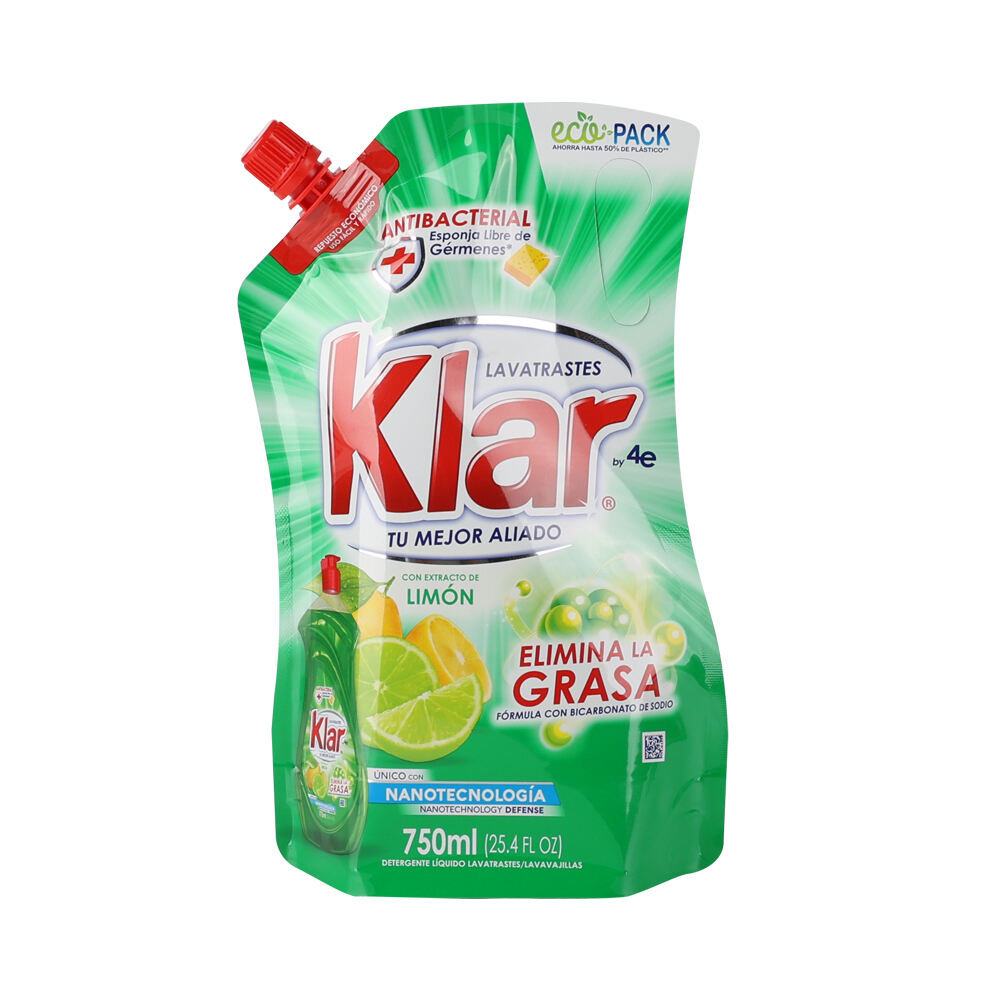
Spout Pouches and Stand-Up Designs for User-Friendly, Leak-Resistant Packaging
Modern plastic juice bag designs now prioritize both functionality and leak prevention. Spout pouches with integrated closure mechanisms reduce spillage risks by 30% compared to traditional screw caps (Food Packaging International 2023). These designs often feature:
- Precisely molded spouts that align with automated filling systems
- Triple-seal junctions where spouts meet pouch bodies
- Barrier layers blocking oxygen ingress (∼0.05 cc/m²/day)
Stand-up pouches leverage gravitational stability to prevent leaks, with 72% of food brands reporting fewer transportation damages after adopting this format. The table below compares leak performance across designs:
| Feature | Spout Pouch | Stand-Up Pouch | Traditional Bottle |
|---|---|---|---|
| Average leak rate | 0.8% | 1.2% | 2.5% |
| Reseal effectiveness | 98% | 95% | 89% |
| Material usage | 40% less | 35% less | Baseline |
Human-Centered Design Trends in Flexible Liquid Packaging
Industry leaders now combine leak prevention with ergonomic accessibility. A 2023 survey revealed that 68% of consumers prefer packaging with:
- Contoured edges for secure gripping
- Tactile indicators for proper seal alignment
- Transparent "fill lines" to prevent over-pouring
Recent innovations like angled spouts reduce dribbling by channeling liquids directly into cups or glasses. Over 80% of sauce manufacturers report improved customer satisfaction after implementing these user-focused features while maintaining <0.5% leakage rates in accelerated shelf-life testing.
Quality Assurance: Testing and Detecting Leaks in Production
Vacuum Decay, Pressure Decay, and Immersion Testing Methods
When it comes to finding leaks in juice and sauce packaging, three main approaches stand out. Vacuum decay testing works by looking at pressure changes and can spot tiny leaks down to about 5 microns according to ASTM standards like F2338-23. This makes it particularly good for those special packages that use modified atmospheres. Pressure decay systems check every single item as they move along production lines, often handling over 300 packages per minute. Immersion testing is another option where packages are submerged and any bubbles that escape indicate a leak. Recent research from 2023 showed that vacuum decay actually performs better than most alternatives, achieving nearly perfect results with around 99.2% accuracy when tested against standard liquid packaging requirements set by ASTM.
Integrating Automated Leak Detection for Consistent Packaging Integrity
Modern automated systems bring together vision sensors, force transducers, and artificial intelligence to spot seal problems as they happen on the production line. According to Packaging Digest from last year, these kinds of systems cut down on human mistakes by around 73 percent. They can keep up with really fast production rates too, handling about 400 items per minute without breaking a sweat. Many top manufacturers actually run their automated pressure decay testers alongside thermal imaging equipment. This combination lets them check both if the seals are holding properly and whether everything is lined up correctly when closures are applied. It's pretty impressive how all these technologies work hand in hand these days.
Case Study: Cutting Leakage Rates by 40% with Real-Time Quality Control
A plastic juice bag manufacturer implemented inline ultrasonic sensors and machine learning-driven pressure monitoring, slashing leakage-related returns from 1.4% to 0.8% within six months. The system flags weak seals 0.3 seconds before final packaging, enabling immediate correction without stopping production lines.
FAQ
What are the main causes of leakage in juice and sauce packaging?
The main causes are material flaws, sealing defects, chemical incompatibility, and handling stress.
How does product acidity affect packaging integrity?
High acidity accelerates chemical interactions with plastic layers, potentially weakening seal strength over time.
Which materials are best for eco-friendly and leak-proof juice bags?
Materials like multi-layer barrier films and PLA-PBAT mixtures offer eco-friendly solutions without compromising seal strength.
How can manufacturers prevent leaks during production?
Utilizing optimal sealing technologies and techniques such as heat sealing, ultrasonic welding, and maintaining proper temperature, pressure, and dwell time can effectively prevent leaks.
What testing methods are used to detect leaks in packaging?
Common methods include vacuum decay, pressure decay, and immersion testing to ensure packaging integrity.
Table of Contents
-
Understanding Leakage Risks in Juice and Sauce Packaging
- Common Causes of Leakage in Plastic Juice Bags and Sauce Pouches
- How Acidity, Viscosity, and Shelf Life Affect Packaging Integrity
- Material Selection: Balancing Performance and Sustainability in Plastic Juice Bags
- Multi-Layer Barrier Films for Enhanced Moisture and Oxygen Resistance
- Comparing Polymer Types for Leak-Proof Liquid Packaging
- Eco-Friendly Materials Without Compromising Seal Strength
- Sealing Technologies and Techniques for Maximum Leak Prevention
- Innovative Design Strategies to Prevent Leaks in Sauces and Juices
- Quality Assurance: Testing and Detecting Leaks in Production
-
FAQ
- What are the main causes of leakage in juice and sauce packaging?
- How does product acidity affect packaging integrity?
- Which materials are best for eco-friendly and leak-proof juice bags?
- How can manufacturers prevent leaks during production?
- What testing methods are used to detect leaks in packaging?