
 EN
EN
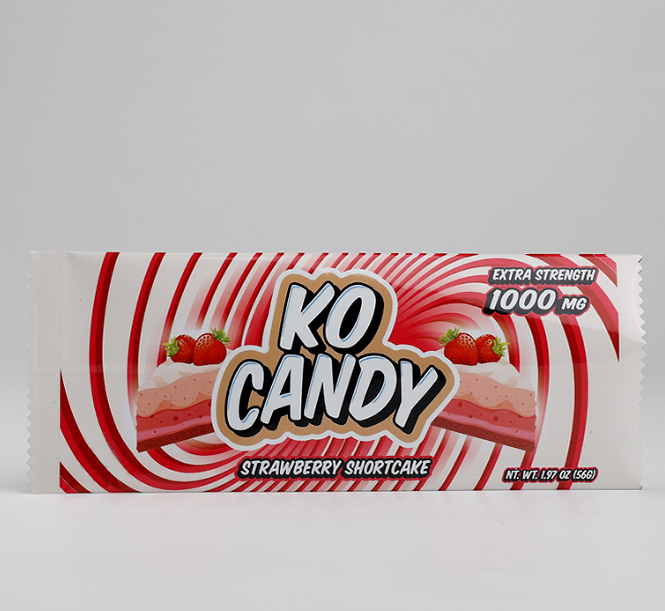
Critical Barrier Performance: Moisture and Oxygen Protection for Gummies
Why gummies require ultra-low WVTR and OTR to prevent stickiness and spoilage
The sweet stuff we know as gummies really needs good protection against moisture and oxygen because of all that sugar and those oil-based flavors. When these little candies absorb even a tiny bit of ambient moisture (anything over about 0.1 grams per square meter per day through water vapor), they start getting sticky on the outside, clump together, and become a breeding ground for microbes. At the same time, if oxygen gets in at rates above around 1 cubic centimeter per square meter per day, it speeds up the breakdown of fruit oils and gelatin components. This leads to rancid smells, weird tastes, and that unpleasant texture nobody wants. According to research from several major food packaging companies, poor barrier protection can cut down how long these treats stay fresh by anywhere between 40 to 60 percent compared to what happens when manufacturers hit those strict industry standards.
Industry-standard barrier benchmarks for premium snack package bag performance
Leading manufacturers target WVTR below 0.05 g/m²/day and OTR under 0.5 cc/m²/day—the widely accepted benchmarks for maintaining gummy integrity across typical distribution channels. These levels are achieved through three primary material families:
- Foil laminates (e.g., PET/Alu/PE): deliver WVTR as low as 0.02 g/m²/day and OTR of 0.1 cc/m²/day
- High-barrier metallized films: offer WVTR of 0.03–0.04 g/m²/day and OTR of 0.3–0.4 cc/m²/day
- Sustainable alternatives (EVOH-enhanced coextrusions): achieve WVTR ~0.08 g/m²/day and OTR ~0.6 cc/m²/day
Foil still holds up as the best bet for reliable barriers, particularly when dealing with those tough high humidity situations above 70% RH. But metallized alternatives come in at around 30% cheaper while performing well enough for most regular market conditions. Brands looking to go green but can't sacrifice product longevity often turn to EVOH based materials as a sort of compromise solution. These do work pretty well actually, though companies need to test them thoroughly against different climates first to make sure they'll stand up to whatever environmental challenges might come their way.
Optimal Snack Package Bag Structures: Laminates, Foil, and Sustainable Alternatives
PE/Nylon/Alu vs. PE/Nylon/PE: balancing shelf-life, seal strength, and cost-efficiency
The way materials are structured plays a big role in how well they work for packaging gummies. Take aluminum laminated PE/Nylon/Alu for instance. This stuff has really low water vapor transmission rate, below 0.01 grams per square meter per day, and oxygen transmission rate under 0.1 cubic centimeters per square meter per day. That means products stay fresh about 6 to 9 months longer than what we get with regular metallized films. Pretty important when dealing with gelatin based formulas since these tend to break down quickly if exposed to lipids. On the flip side there's PE/Nylon/PE which still provides good protection against moisture and air but isn't quite as strong as the aluminum version. The cost? Around 20 to 30 percent less per unit though. Makes sense for companies selling products that don't need such long shelf lives anyway, maybe something that gets distributed within 9 months rather than sitting on shelves forever.
| Structure | Barrier Rating | Seal Strength | Cost per 1k Units |
|---|---|---|---|
| PE/Nylon/Alu | Ultra-high | 8–10 N/15mm | $42–$48 |
| PE/Nylon/PE | High | 6–8 N/15mm | $30–$35 |
The aluminum layer enhances rigidity, which may affect high-speed filling line compatibility—but its oxidative protection is unmatched. PE/Nylon/PE retains greater flexibility and process efficiency while still meeting key retail requirements when paired with robust sealing protocols.
PLA-based biolaminates — evaluating real-world barrier trade-offs and compostability claims
PLA biolaminates are becoming more popular as a sustainable alternative, though they do need to be composted in industrial settings according to ASTM D6400 standards. But there are real issues with how well these materials actually work. The oxygen transmission rate for standard PLA is typically 3 to 5 times what we see in regular laminates, and the moisture barrier starts breaking down after just four months when exposed to 75% relative humidity. Looking at actual field results, products wrapped in PLA tend to last on shelves about 30 to 40 percent less time compared to those using foil wrapping. And here's another problem: most places that handle commercial composting simply won't take PLA packaging. Statistics suggest that only roughly 12% of existing facilities will process this type of material at all.
Brands pursuing eco-claims must validate local infrastructure before launch. Hybrid solutions—such as PLA layers coated with aluminum oxide or nanocellulose—show promise in bridging the barrier gap while retaining compostability credentials, though scalability and cost remain considerations.
Functional Design Essentials: Seal Integrity and Grease Resistance for Sticky Gummies
How surface tackiness challenges hot-bar sealing and drives delamination risk
The sticky nature of gummies creates real problems for packaging integrity, both when they're stored and especially when trying to seal them properly. When sugary residue gets on the sealing area, it messes with how well the hot bar sticks to the material. To compensate, manufacturers often have to crank up those sealing temperatures somewhere between 15 and 20 degrees Celsius. But this extra heat actually speeds up the breakdown of layers in multi-layer films. Industry reports suggest around 27% of all packaging issues with gummies happen because of these heat-related problems during sealing processes.
Oil-based components—including citrus oils and glycerin plasticizers—further compromise seals over time by migrating into the interface and weakening bond cohesion. Premium snack package bags mitigate this via two integrated features:
- Grease-resistant inner liners, using modified polyethylene engineered for ≤5% oil absorption
- High hot-tack sealants, designed to form strong bonds instantly at lower temperatures
Without both, peel strength drops by 40% within 60 days—opening pathways for oxygen ingress, sugar crystallization, and accelerated texture degradation. The 2 mm seal zone remains the most vulnerable point, where 90% of integrity failures originate; targeted material engineering here is non-negotiable for sticky, oil-rich formulations.
Snack Package Bag Format Selection: Matching Pouch Type to Gummy Product Needs
Reclosable zippers, gusseted bags, and pillow bags — usage context, portion control, and shelf appeal
Choosing the correct pouch format actually enhances rather than hurts the quality of gummies and how consumers enjoy them. Zipper bags work great when packaging multiple servings because they keep things fresh after each opening and help people measure out just what they need. These bags also stay sealed properly which is important for maintaining that chewy texture we all love. Gusseted bags take up more space inside the package and stand up better on store shelves. They let brands display products in those eye catching pyramid stacks that really grab attention in crowded grocery aisles, especially helpful for fancy gummies or ones with weird shapes that don't fit well in regular packages. Flat pillow bags are obviously cheaper to produce and ship for individual servings, but honestly they look kind of boring on the shelf since they're so flat and can't show off the product as nicely.
Sticky gummies need special attention when it comes to packaging. Reclosable zippers stop those annoying spills that happen when kids open them at snack time, while gusseted designs actually handle all the squishy shapes better and keep the bag standing upright on store shelves. The right choice really depends on how people will use the product in daily life. Some consumers want multiple servings in one package with easy resealing, others prefer large quantities for home storage, and there are always those who just grab what they need quickly from vending machines or counters. Get this right and the pouch isn't merely something to put stuff in anymore. It works hand in glove with whatever protective qualities the product needs, becoming part of the solution instead of just an afterthought container.
Table of Contents
- Critical Barrier Performance: Moisture and Oxygen Protection for Gummies
- Optimal Snack Package Bag Structures: Laminates, Foil, and Sustainable Alternatives
- Functional Design Essentials: Seal Integrity and Grease Resistance for Sticky Gummies
- Snack Package Bag Format Selection: Matching Pouch Type to Gummy Product Needs