
 EN
EN
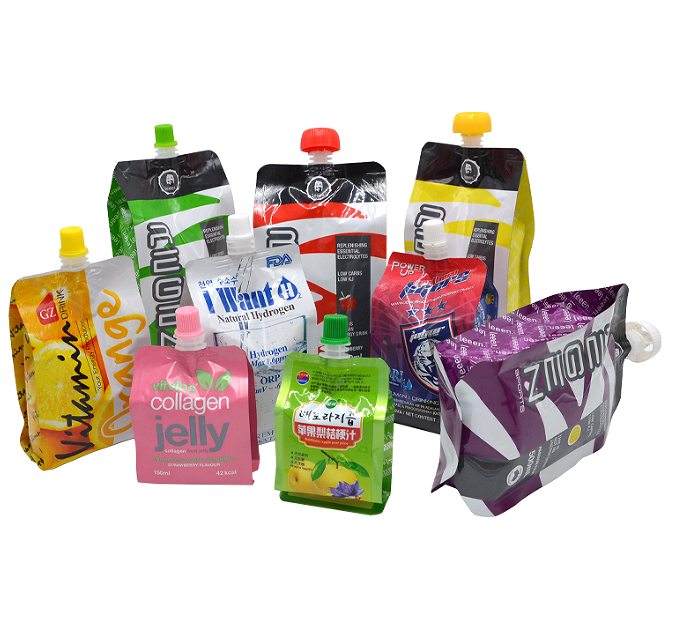
FDA-Compliant Plastics for Safe Plastic Juice Bag Applications
Understanding FDA 21 CFR food-contact requirements for flexible liquid pouches
Regulations set by the FDA under 21 CFR put clear restrictions on how much chemicals can migrate from food contact materials, which matters most when dealing with acidic products such as fruit juices. Juice containers made from plastic need to stop dangerous compounds like phthalates and bisphenols from seeping out. Testing happens in controlled environments that mimic actual storage situations where these products would sit on store shelves. If materials don't meet standards, they might go over the FDA's safety limit of 0.5 parts per billion for some pollutants according to their 2023 guidelines, which means trouble for both consumer safety and getting past regulatory hurdles. Most companies rely on independent labs to check compliance. These labs run tests that speed up the normal aging process so they can predict what will happen during those typical 12 months a product spends before being sold.
Resin identification codes and why #4 (LDPE) and #5 (PP) are preferred for plastic juice bags
LDPE (resin #4) and PP (resin #5) dominate juice packaging due to their proven performance across safety, functionality, and regulatory benchmarks:
| Property | LDPE | PP | Non-Compliant Alternatives |
|---|---|---|---|
| Acid Resistance | High (pH 2.5+) | Excellent (pH 2.0+) | PVC degrades below pH 4.0 |
| Flexibility | Superior cold-temperature bend | Moderate rigidity | PET cracks under pressure |
| Migration Risk | Low extractables | Negligible plasticizers | HDPE may leach antioxidants |
The molecular makeup of LDPE makes it pretty good at resisting things like citric and acetic acids from getting through, which is important for certain applications. Meanwhile, polypropylene has that nice high melting point around 160 degrees Celsius, so it stays stable even when exposed to heat processes such as pasteurization or those hot fill operations we see in many packaging lines. When tested under standard conditions for food contact materials, both these plastics typically show migration levels below 50 parts per billion, meeting all the necessary FDA standards outlined in 21 CFR Part 177. That's something materials like PVC (#3) or polycarbonate (#7) just can't match up to, since there are known issues with their compliance status according to industry documentation.
Why LDPE Dominates the Plastic Juice Bag Market: Safety, Flexibility & Acid Resistance
Performance of LDPE against low-pH juices (citrus, apple) and migration test compliance
LDPE works really well for acidic drinks such as citrus and apple juices because it naturally resists breaking down in low pH environments. Research published in 2022 showed that juice bags made from LDPE had under 0.1% additive migration which is way below what the FDA considers safe limits. This means there's basically no impact on how fresh the juice stays or any risk to people drinking it, whether stored in freezers or regular fridge temps. The material also has very low levels of substances that could potentially come out of it, so there's no need to worry about antioxidants getting into the product over time. For this reason, LDPE remains a top choice when manufacturers want their juice products to last longer on store shelves without compromising quality.
Barrier properties, shelf-life validation, and real-world FDA-certified use cases
Accelerated aging tests have shown that LDPE juice bags meeting FDA standards can last around 12 months on store shelves because they stop over 99 percent of oxygen getting in. Many manufacturers combine LDPE's flexibility with special barrier layers to keep things like vitamin C safe from going bad when exposed to air. Big name juice companies go through extensive testing processes before settling on these formulas, checking everything from what comes out during extraction tests to how well they fit within ISO 22000 safety guidelines. This attention to detail means their products maintain good color, taste right, and stay sealed properly all the way from factory to customer. Looking at actual performance numbers, stores report about 83 fewer leaks per thousand packages when switching from traditional containers to these flexible LDPE pouches, which makes them much better for moving large quantities across supply chains without worrying about spills or damaged goods.
Comparing Alternatives: HDPE, PET, and PP in Plastic Juice Bag Safety and Functionality
Manufacturers looking at materials for those plastic juice pouches typically consider three main options: HDPE, PET, and PP. They need to balance safety requirements with what actually works on the production line. HDPE stands out because it resists chemicals pretty well, which is good for food contact applications. However, most people don't want opaque packaging when they're buying juice since they can't see inside. PET is super clear and tough enough to handle drops during transport. But there's a catch. PET starts to break down around 160 degrees Fahrenheit, so it won't work for products that need to be filled while still hot. That leaves PP as the middle ground solution. It meets FDA standards for food contact, stays stable even when heated to boiling point, and forms a decent barrier against moisture getting in. These properties make PP especially useful for extending how long juice stays fresh on store shelves without causing problems during manufacturing.
| Property | HDPE | PET | PP (Polypropylene) |
|---|---|---|---|
| Acid Resistance | Excellent | Moderate | High |
| Max Temp | 230°F (110°C) | 160°F (71°C) | 212°F (100°C) |
| Clarity | Opaque | Crystal Clear | Translucent |
| Moisture Barrier | High | Moderate-High | Moderate |
| Recyclability | Widely recycled | Widely recycled | Limited streams |
While all three meet baseline FDA food-contact standards, PP’s combination of thermal resilience, low migration risk, and functional versatility makes it a leading choice—particularly where pasteurization or steam sterilization is required. PET should be avoided for hot-fill; HDPE remains viable only when opacity is acceptable.
Selecting the Right Plastic Juice Bag: Key Certifications, Testing, and Supplier Due Diligence
Essential documentation: FDA letters of non-objection, extractables testing, and ISO 22000 alignment
Good documentation isn't optional when picking juice bags for packaging. The FDA's Letter of Non-Objection basically tells manufacturers that their materials have passed muster according to those strict 21 CFR rules for food contact substances. Labs accredited under ISO/IEC 17025 standards need to run extractables tests looking specifically at VOCs, heavy metals, and how different acids might pull out unwanted substances from the packaging material based on actual juice pH levels. Don't forget about ISO 22000 certification either. This shows companies are actually following through on HACCP principles throughout production and distribution chains. Put all three together properly and manufacturers see a dramatic drop in problems related to contamination. According to Food Safety Tech Report from last year, around 89 percent fewer issues occur with proper verification in place.
Red flags to avoid—recycled content, unverified suppliers, and non-compliant barrier layers
Critical compliance risks emerge when due diligence lapses. Key red flags include:
- Recycled content: FDA prohibits uncertified post-consumer or industrial recycled resins in direct contact with juices due to unpredictable contaminant profiles and elevated migration potential.
- Unverified suppliers: Manufacturers without third-party audit reports, traceability systems, or batch-specific Certificates of Analysis introduce unacceptable variability in quality and compliance.
- Non-compliant barrier layers: In multilayer structures, every component—including adhesives, tie layers, and metallized films—must independently satisfy FDA 21 CFR requirements. Unapproved layers accelerate leaching and invalidate full-system compliance.
These oversights account for 62% of juice packaging recalls globally. Always require full material disclosure statements—and verify that each resin, additive, and adhesive is explicitly listed in the supplier’s FDA compliance dossier.
Table of Contents
- FDA-Compliant Plastics for Safe Plastic Juice Bag Applications
- Why LDPE Dominates the Plastic Juice Bag Market: Safety, Flexibility & Acid Resistance
- Comparing Alternatives: HDPE, PET, and PP in Plastic Juice Bag Safety and Functionality
- Selecting the Right Plastic Juice Bag: Key Certifications, Testing, and Supplier Due Diligence