
 EN
EN
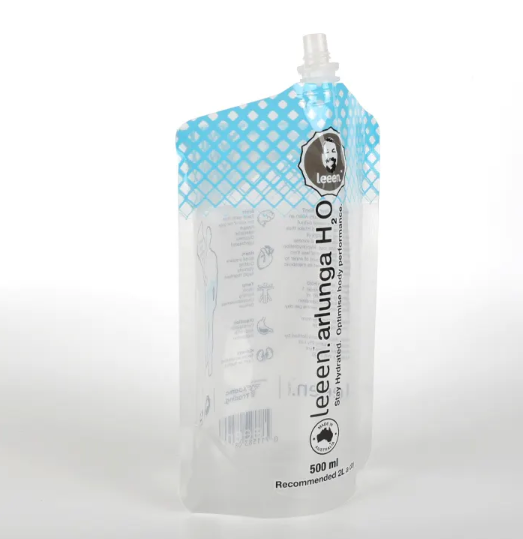
Material Science Behind Leak-Proof Plastic Juice Bags
Barrier Properties: How PET, PE, and Nylon Layers Prevent Leakage and Oxidation
Polyethylene terephthalate (PET) provides structural rigidity, while polyethylene (PE) enables reliable heat-sealing in plastic juice bags. Nylon acts as a high-performance oxygen barrier, blocking 99.5% of oxygen ingress and reducing oxidation by up to 90% compared to single-layer films (Packaging Digest 2023). Together, these layers form a composite defense:
- PET resists punctures during transport
- PE ensures hermetic seals at filling temperatures
- Nylon preserves flavor and nutrient integrity by limiting oxidation
This multi-material design significantly extends shelf life by preventing both physical leakage and chemical degradation. Optimized layer sequencing in co-extruded films has been shown to reduce spoilage rates by 40% annually, making it a critical factor in juice packaging performance.
Lamination Integrity: Why Multi-Layer Co-Extrusion Matters for Juice Compatibility
Co-extrusion fuses PET, PE, and nylon into a single, inseparable structure, eliminating delamination risks—especially when exposed to acidic juices. Unlike adhesive-bonded laminates, this molecular fusion ensures consistent performance across extreme conditions:
| Property | Co-Extruded Bags | Traditional Lamination |
|---|---|---|
| Acid Resistance | Stable at pH 2.5–4.0 | Degrades below pH 3.5 |
| Seam Integrity | 35% stronger seals | Variable bond strength |
| Flexibility | Maintains at -20°C | Brittle below -10°C |
The continuous extrusion process delivers uniform layer distribution, essential for containing aggressive citrus and tropical juices that can penetrate weak interfaces. It also prevents flavor scalping and withstands hot-fill temperatures up to 85°C—critical for pasteurized beverages.
Critical Design Features That Guarantee Leak Resistance in Plastic Juice Bags
Seal Strength and Hot-Fill Compatibility for Acidic Juices
Seams must endure thermal and chemical stress during hot-filling, where temperatures reach 85°C–95°C. Weak seals fail up to 70% faster under these conditions, particularly with low-pH juices (Packaging Digest 2023). Advanced ultrasonic sealing creates molecular-level bonds that resist delamination even below pH 3.5. Performance is validated through:
- Pressure testing: Seams withstand 25+ psi without rupture
- Acid exposure trials: 60-day storage with citric and malic acid blends
- Drop simulations: 1.5-meter impacts on sealed corners
These tests ensure long-term integrity across the supply chain, from filling to consumer use.
Spout and Cap Engineering: Tamper-Evident, Re-Sealable, and Pressure-Resistant Solutions
HDPE spouts are precision-molded with compression-fit gaskets that accommodate juice expansion and contraction. Twist-lock caps feature internal ribs to maintain seal integrity under 30 psi—exceeding requirements for carbonated drinks. Tamper-evident bands visibly separate upon first opening, while re-sealable designs endure over 500 open/close cycles without leakage. Key innovations include:
- Dual-layer ethylene vinyl acetate (EVA) liners that self-heal after compression
- Integrated vent channels to equalize pressure during transport
- Angled thread geometry requiring 15% more torque to open accidentally
Proper gasket design alone reduces leakage by 90% in validation trials, underscoring its importance in overall package reliability.
Performance Validation: Testing Standards and Real-World Reliability of Plastic Juice Bags
ASTM/ISO Tests for Drop, Burst, and Shelf-Life Simulation
Plastic juice bags undergo standardized testing to simulate real-world stresses. Key protocols include:
- Drop testing (ASTM D5276): Filled bags are dropped from up to 1.8 meters to replicate transport impacts
- Burst pressure testing (ISO 2758): Measures resistance to internal pressure spikes during filling or stacking
- Accelerated aging (ASTM F1980): Uses elevated temperature and humidity to compress years of shelf life into weeks
These tests validate performance against leakage, delamination, and oxidation under conditions mimicking warehouse storage, shipping, and retail handling.
Case Evidence: 90% Leakage Reduction Through Validated Design Iteration
Testing-driven design improvements deliver measurable results. One manufacturer achieved:
- 90% fewer leaks after refining spout seals using ASTM distribution simulations
- 18-month shelf-life validation through real-time storage testing
- Zero failures in 10,000-unit burst pressure trials following material thickness optimization
This data confirms that iterative validation transforms packaging from meeting minimum standards to delivering guaranteed, leak-proof performance in real-world applications.