 EN
EN
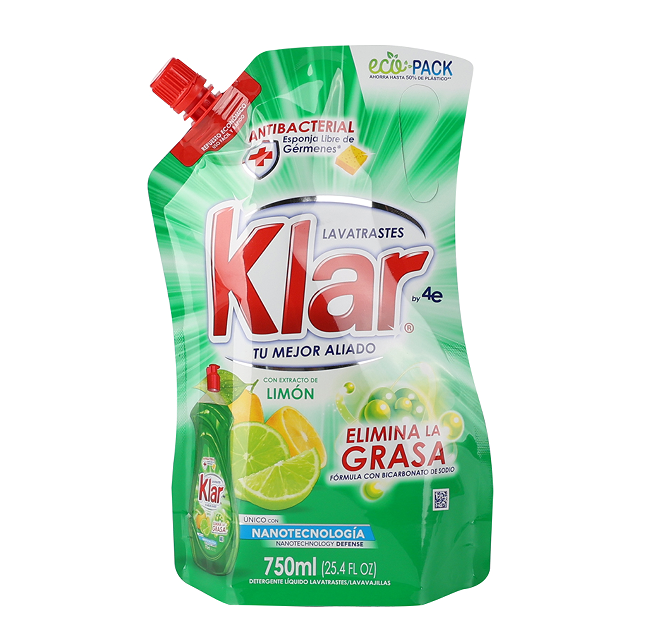
Material Composition and Barrier Performance for Chemical Safety
Understanding material composition: Mylar, laminates, and film layers in custom packaging bags
Daily chemical formulations require packaging materials that prevent interactions with external contaminants. Multilayer films combining Mylar (biaxially oriented polyester) with polyethylene or nylon create chemically inert barriers. These layered structures are engineered to match product characteristics such as viscosity, pH, and reactivity, ensuring long-term stability.
Critical barrier properties: Moisture, UV, and oxygen resistance for daily chemical stability
Moisture barriers that measure below 0.05 grams per square meter per day for water vapor transmission help keep hygroscopic materials like powdered detergents from forming lumps. For products sensitive to light exposure, manufacturers often include UV blocking additives which protect solutions such as hydrogen peroxide. The packaging also needs good oxygen resistance, ideally around 3 cubic centimeters per square meter per day or less, to stop oxidation issues in cleaning agents that break down easily when exposed to air. When all these protective features work together properly, they ensure the product stays stable and effective right until it reaches the end of its shelf life.
Film thickness and durability: Ensuring long-term product integrity during storage and transport
For liquid detergent pouches, film thickness around 100 to 150 micrometers strikes just the right balance between being tough enough against punctures yet still flexible enough for handling. When we go above 200 micrometers though, these thicker films work much better with harsh industrial chemicals. But there's a catch here folks need to remember – those thick materials often cause problems when running through automated filling equipment so compatibility testing becomes absolutely essential. The good news is recent breakthroughs in nano coating tech have changed things quite a bit. Manufacturers can now produce significantly thinner films that still offer the same kind of barrier protection as their thicker counterparts. This means companies looking to reduce material usage and overall package weight don't necessarily have to compromise on product safety or shelf life anymore.
Virgin vs. recycled resins: Balancing compliance, performance, and cost in custom bag manufacturing
The purity factor makes virgin resins still a must have for those tricky FDA and REACH compliance issues when it comes to anything touching food products. But here's the thing these days - post consumer recycled or PCR stuff actually works pretty well too for things like household cleaners that don't react chemically much. Companies can hit their green targets while keeping seals intact at around 35% PCR content. Looking at performance stats, newer recycled materials only show about 15% difference in tensile strength versus regular virgin stuff. That kind of gap is small enough that manufacturers are starting to see real value in switching some production lines over to include more recycled content without breaking product specs.
Odor Containment and Smell Protection in Daily Chemical Packaging
Odor management is critical for products like detergents, disinfectants, and personal care items. Poor containment leads to product degradation, cross-contamination, and consumer dissatisfaction. Advanced packaging designs now integrate engineered barriers and consumer-focused features to address these challenges effectively.
Advanced Liners and Laminates for Superior Odor Containment in Custom Packaging Bags
Materials with high barrier properties like EVOH laminates (those ethylene vinyl alcohol ones) and films coated with aluminum oxide can stop most VOCs from escaping, somewhere around 99.8% effectiveness based on recent packaging research from last year. When companies build multi-layer packages with activated carbon mixed into polypropylene layers, they get pretty good results too, blocking about 95% of smells during those speed tests for shelf life. Most big name brands are now using these 7 to 9 layer films that get extruded together. These complex structures keep fragrances locked inside laundry pods and stop different chemicals from reacting with each other in those super concentrated cleaning products we see on store shelves today.
Case Study: Reducing Customer Complaints Through Enhanced Smell Protection
According to a recent 2023 survey of consumers, around 42 percent returned household chemicals because they just couldn't stand the smells escaping from the containers. A company noticed this problem and decided to try something different. They switched their packaging to include special seals made using ultrasonic technology plus liners infused with minerals. The results? Complaints dropped by nearly 60%. Users no longer complained about that annoying chemical leakage smell which had been bothering 31% of people in early tests before launch. And guess what? The actual cleaning power stayed exactly the same as before all those fancy changes happened.
Rising Consumer Demand for Scent-Isolated Personal Care and Household Chemical Packaging
Around 74% of shoppers care a lot about smell proof packaging when buying liquid detergents and disinfectants, according to Market Insights 2023. About two thirds say they'd actually shell out an extra 12 to 15% for products that keep odors contained. The market push has led to some interesting innovations lately. We're seeing things like special zippers on refillable pouches that lock in smells, barrier bags made to resist UV light which helps protect certain sensitive ingredients, and even child resistant closures that also block unpleasant smells, particularly useful for automotive chemical products. With government regulations getting tighter about cutting down VOC emissions from packaging materials by 2030, companies need to find ways to make their products work well while still being environmentally friendly. It's becoming pretty clear that good performance just isn't enough anymore.
Functional Structure and User-Centric Design Features
Stand-up pouches featuring easy-tear notches and ergonomic shapes dominate modern custom packaging, offering improved grip comfort and shelf visibility. These designs reduce product spillage by 40% compared to traditional flat bags and accommodate high-viscosity liquids like shampoos and detergents.
Resealable Zippers and Tamper-Evident Closures for Safety and Convenience
Resealable press-to-close zippers extend usability by 3–5 weeks for daily chemical products, protecting sensitive ingredients such as vitamin-enriched lotions from oxidation. Tamper-evident tear strips comply with FDA 21 CFR Part 11 standards, meeting pharmaceutical-grade safety requirements for over-the-counter products.
| Feature | Benefit | Adoption Rate (2023) |
|---|---|---|
| Resealable zippers | 68% fewer contamination claims | 84% |
| Ergonomic handles | 55% faster dispensing | 72% |
Custom Sizes and Structural Efficiency
Precision-engineered dimensions reduce material waste by 22% and improve pallet loading density. A 2023 logistics study showed that custom-sized bags for dishwashing pods lowered shipping costs by $1.27 per carton through optimized cube utilization.
Consumer Insight: 68% Prefer Resealable Formats for Liquid Soaps and Lotions
Brands using resealable spouts report 31% higher repeat purchase rates for household cleaners—a trend driven by sustainability and reuse preferences. This preference is strongest among consumers aged 18–34, where 73% favor multi-use packaging for urban living environments with limited storage space.
Branding Impact Through Printing, Finishes, and Label Compliance
High-definition printing and premium finishes to enhance brand identity in custom packaging bags
Modern packaging leverages digital flexography and gravure printing to produce razor-sharp graphics. Brands using high-definition UV printing report 23% higher shelf engagement than those using standard offset methods (Packaging Industry Survey 2023). Metallic foiling and textured laminates add tactile appeal, enhancing perceived value, while Pantone color calibration ensures batch-to-batch consistency.
Front label design: Visibility of logo, product name, graphics, and capacity
When brands get their visual hierarchy right, people remember them better. Studies show something pretty interesting here: around 89 percent of folks spot a brand quicker if its logo takes up space equivalent to at least 15% of whatever surface they're looking at. For accessibility reasons too, text needs to stand out against backgrounds with contrast ratios above 4.5 to 1 according to ADA guidelines. This matters most on things like warning labels for household cleaners where readability can literally save someone from harm. Manufacturers often solve this problem by adding transparent film windows or molding measurement markings directly into containers. These features really matter for thick liquids such as shampoo and conditioner that tend to stick together and make accurate pouring difficult for many users.
Back label requirements: Ingredients, safety warnings, barcodes, and contact details
The rules about font sizes are pretty strict these days. Hazard symbols need to be at least 6 points, while ingredient lists must hit 8 points minimum on those detergent and cosmetic packages. Then there's the GS1-128 barcode thing. Print them at 300 DPI and they'll scan properly throughout the entire supply chain, which is obviously super important when products travel around the world. Smart companies are starting to include QR codes too. These little squares connect customers directly to safety information in multiple languages. According to recent surveys, nearly two thirds of industrial purchasers actually expect this feature nowadays, so it's becoming something of a standard rather than just an extra touch.
Aligning visual design with sustainability claims to build consumer trust
Matte finishes made with soy-based inks convey eco-consciousness without sacrificing color depth. Recycled PET films paired with water-based coatings maintain functional integrity while reducing environmental impact. After switching to plant-derived metallization in 2022, a leading European cleaner brand saw a 37% increase in repurchase rates among environmentally focused consumers.
Sustainability, Compliance, and Application-Specific Customization

Eco-Friendly Materials: Biodegradable Films and Recyclable Multilayer Structures for Green Packaging
Daily chemical brands are adopting biodegradable PLA films and recyclable polyolefin-based laminates to minimize environmental footprint. These materials decompose 60% faster than conventional plastics under industrial composting conditions while preserving necessary barrier performance. Paired with water-based adhesives and soy inks, they support compliance with ISO 14001 sustainability standards.
Consumer Trend: 74% Willing to Pay More for Sustainable Custom Packaging (2023 Data)
A 2023 NielsenIQ study confirms that three out of four consumers prioritize eco-friendly packaging when purchasing household and personal care products. This shift has driven a 22% year-over-year rise in orders for compostable custom packaging bags from leading suppliers.
Overcoming Challenges: Maintaining Barrier Performance With Eco-Conscious Materials
Sustainability does not have to compromise functionality. Rigorous testing shows that:
- Oxygen Transmission Rate (OTR): Recyclable PET/PE laminates achieve <0.5 cm³/m²/day, matching traditional materials
- Seal Strength: Bio-based adhesives withstand 4.5 lbs/in² pull forces during transit
- Moisture Resistance: Starch-blend films maintain <0.8% water vapor transmission even at 85% humidity
Meeting Compliance Standards and Customizing for Medical, Cosmetic, and Industrial Applications
Medical-grade packaging complies with ISO 11607-1 sterilization standards using gamma-ray-resistant films. Cosmetic brands use dual-certified (ECOCERT & FSC) materials for premium serum pouches, while industrial chemical producers rely on UN-certified liners conforming to DOT 49 CFR §178.703. In 2024, digital watermarking is gaining cross-industry adoption to enable accurate material identification in recycling streams.
Table of Contents
-
Material Composition and Barrier Performance for Chemical Safety
- Understanding material composition: Mylar, laminates, and film layers in custom packaging bags
- Critical barrier properties: Moisture, UV, and oxygen resistance for daily chemical stability
- Film thickness and durability: Ensuring long-term product integrity during storage and transport
- Virgin vs. recycled resins: Balancing compliance, performance, and cost in custom bag manufacturing
- Odor Containment and Smell Protection in Daily Chemical Packaging
- Functional Structure and User-Centric Design Features
-
Branding Impact Through Printing, Finishes, and Label Compliance
- High-definition printing and premium finishes to enhance brand identity in custom packaging bags
- Front label design: Visibility of logo, product name, graphics, and capacity
- Back label requirements: Ingredients, safety warnings, barcodes, and contact details
- Aligning visual design with sustainability claims to build consumer trust
-
Sustainability, Compliance, and Application-Specific Customization
- Eco-Friendly Materials: Biodegradable Films and Recyclable Multilayer Structures for Green Packaging
- Consumer Trend: 74% Willing to Pay More for Sustainable Custom Packaging (2023 Data)
- Overcoming Challenges: Maintaining Barrier Performance With Eco-Conscious Materials
- Meeting Compliance Standards and Customizing for Medical, Cosmetic, and Industrial Applications