 EN
EN
Superior Barrier Performance: Extending Shelf Life and Flavor Integrity
Moisture, Oxygen, and Light Resistance: The Triple Shield Against Staleness
Mylar bags made with die cutting technology offer remarkable protection thanks to their layered metal barrier system designed specifically against the main causes of snack spoilage: oxygen, moisture, and light exposure. These bags reflect about 99% of ultraviolet light, which helps protect sensitive items like nuts, oils, and spices from breaking down when exposed to sunlight. The oxygen transmission rate is almost nothing at all (less than 0.05 cc per square meter per day), so snacks stay fresh much longer without going rancid. Tests done in 2023 showed crisps lasted around 40% longer in this kind of packaging compared to regular bags. What's just as important is how well they block moisture too. Water vapor transmission stays under 0.1 grams per square meter daily, keeping crackers from getting soggy and dried fruits from losing their texture. All together, these features mean snacks stay fresh about 60% longer than what we see with traditional packaging options. This not only cuts down on wasted food but also means consumers get better tasting products right from the factory until they open the bag at home.
| Barrier Threat | Mylar Performance Metric | Effect on Snacks |
|---|---|---|
| Oxygen | <0.05 cc/m²/day | Prevents rancidity in oils/fats |
| Moisture | <0.1 g/m²/day | Maintains crispness/texture |
| Light | 99% UV reflection | Halts nutrient degradation |
Odor Lock and Aroma Retention for High-Fat and Seasoned Snacks
Mylar bags that have been metallized through die cutting work really well for keeping those pesky volatile organic compounds (VOCs) contained, which makes them great choices when packaging high fat content snacks or ones loaded with strong seasonings. The surface of these bags doesn't absorb grease easily, so it keeps the greasy stuff from migrating out while holding onto all those important flavor molecules inside. Labs have tested this stuff independently, and what they found was pretty impressive: seasoned foods kept about 98% of their main aroma components even after sitting around for three months straight. Standard polyethylene bags only managed around 70% retention under similar conditions. Part of why mylar performs so well has to do with special layers made from ethylene vinyl alcohol (EVOH) built right into the film itself. These layers act kind of like selective filters blocking out certain smells like those coming from onions or garlic seasonings as well as citrus terpenes. When manufacturers want to make sure their premium snack products taste consistent throughout storage and shipping, mylar bags help achieve that without needing extra fancy packaging solutions or adding artificial stabilizers to compensate for losses.
Strategic Brand Differentiation Through Die Cut Mylar Bags
Custom Shapes and Visual Impact: Driving Shelf Standout and Consumer Recall
Mylar bags with die cut designs take packaging far beyond just holding stuff they become powerful branding tools that stand out in busy stores. A recent study by Packaging Digest found that around two thirds of shoppers actually pick products based on unique packaging when faced with similar options. The weird shapes matter too think hexagonal bags for fancy nuts or those soft curves used for premium chocolate create something different to touch and see. Retail tests show this kind of packaging makes people remember brands about twice as much as regular packages. Big name companies get this connection between shape and identity. Coffee shops often have bags shaped like beans, while healthy snack brands go for leaf shaped designs. When all products in a line share these special shapes, customers start recognizing them from afar. What was once just background noise on store shelves becomes an actual conversation starter turning casual shoppers into brand loyalists without saying a word.
Front-Window Integration and Transparent Product Visibility for Impulse Appeal
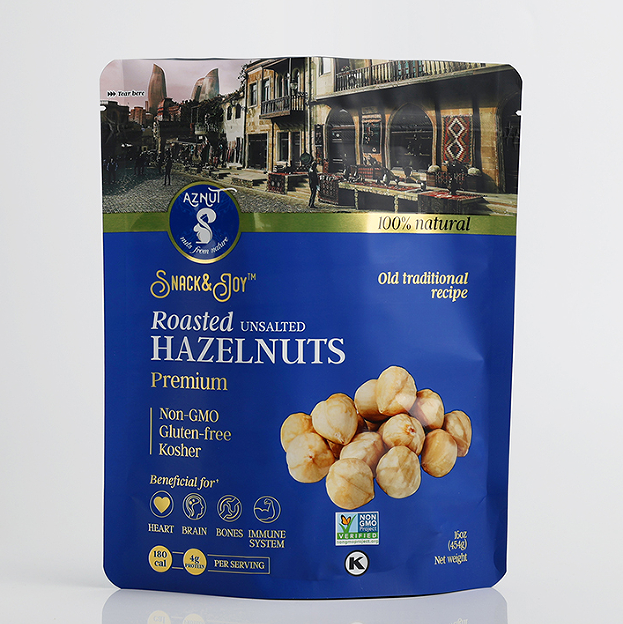
Die cut windows positioned just right offer both looks and function at once, which can actually boost those last minute buys by around 27% as per the Food Marketing Institute back in 2023. Regular clear patches on packages tend to weaken the protective qualities, but when we integrate these viewing areas into mylar bags, they keep all their defenses against oxygen and moisture intact while still letting customers see what's inside. The best part? These clear sections take up roughly 30 to 50 percent of the bag front, so folks can really check out the goods without worrying about the package falling apart. This matters a lot for things like jerky sticks or those roasted nut mixes where people judge quality mostly by how it looks. When it comes to spicy treats with visible seasonings, the window becomes even more important since nearly two thirds of shoppers don't trust completely black boxes. What happens in real life is pretty straightforward too: seeing through the packaging cuts down on hesitation because there's less guesswork involved, and customers get reassured about quality long before they even take that first bite.
Consumer-Centric Functional Design in Die Cut Mylar Bags
Resealable Zippers and Precision Tear Notches: Convenience Without Compromise
Mylar bags made with die cutting technology come packed with smart features that make them both user friendly and protective. The resealable zippers let people open and close the bag multiple times, all while keeping oxygen levels below 1%. This matters a lot when storing fatty nuts or flavored snacks because it stops them from going stale after each serving. According to research from ReFED in 2023, these kinds of resealable packages actually cut down on food waste at home by about 23%. Another handy touch is the laser cut tear notches. These little cuts make sure the bag opens cleanly every time, so there's no frustration involved. Plus they help protect the zipper from getting damaged accidentally or causing spills when opened.
| Feature | Consumer Benefit | Technical Advantage |
|---|---|---|
| Resealable Zippers | Extended freshness after opening | Maintains <1% oxygen transmission rate |
| Tear Notches | Effortless first-access experience | Controlled stress points prevent jagged tears |
The features really hit what most consumers want these days. According to Packaging Digest from last year, around 7 out of 10 snack shoppers say they need something that seals easily again and again. Another 68 percent mention being able to open the package reliably is super important for them. When manufacturers combine these functions in one high quality film material, it completely changes how we think about packaging. Instead of just holding stuff, die cut mylar bags actually help keep food fresh longer. This kind of thoughtful design meets those premium expectations customers have now, based on real market research and practical testing over time.
Logistics-Ready Durability and Food-Safe Compliance
Mylar bags that are die cut stand up well against the challenges of actual supply chains. They resist punctures and wear during all those warehouse operations, when stacks get heavy, and while moving goods around. The material itself is chemically stable and passes both FDA standards from 21 CFR §177.1680 as well as EU regulations number 1935/2004 for things that touch food. So there's absolutely no transfer of chemicals into whatever's inside these bags, even if stored for long periods or exposed to extreme temperatures ranging from minus 40 degrees Fahrenheit right up to 300 degrees Fahrenheit. What this means practically is that the protective qualities stay intact without needing extra layers or special packaging solutions. Companies report seeing about 30 percent fewer complaints about damaged products during shipping as a result. And because our manufacturing follows strict traceability protocols that meet FSMA sanitary transport rules, we help reduce business risks significantly while building confidence among store owners and government inspectors who check on compliance regularly.