 EN
EN
Sustainability of Kraft Paper: Core Benefits for Eco-Conscious Branding
Understanding the renewable origins and compostability of kraft paper packaging
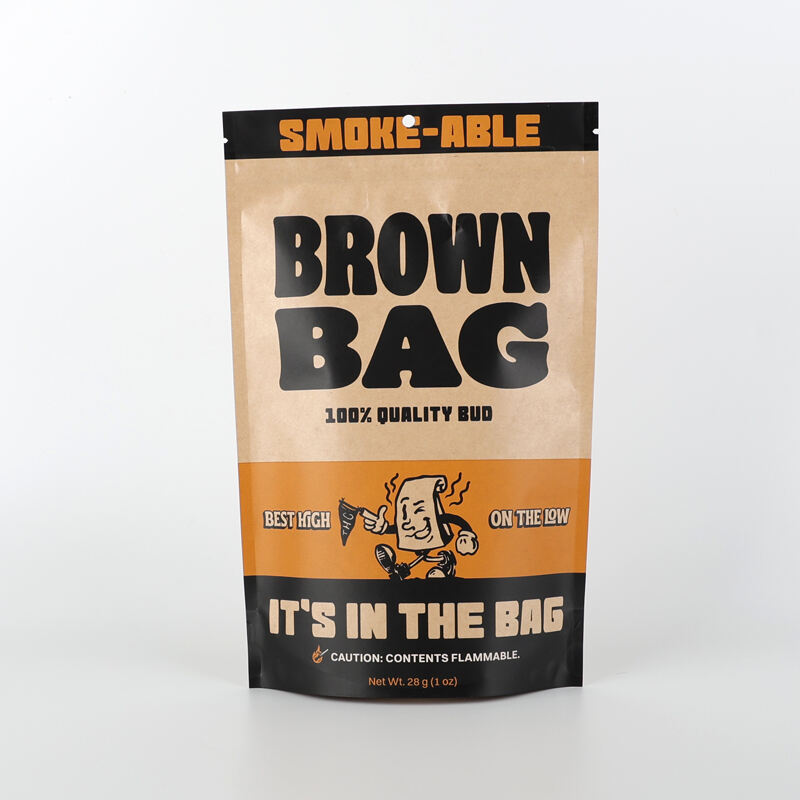
Kraft stand up pouches come from wood pulp harvested via sustainable forestry practices, which makes these packages pretty renewable compared to other options out there. When we talk about breakdown times, regular plastic just can't compete. Kraft paper actually breaks down within around 2 to 6 months if it ends up in those industrial composting facilities, cutting down on all that persistent waste piling up over years. People love how kraft looks too. Most folks (about 78%) see that raw, unbleached color and automatically think green credentials. That connection between appearance and eco friendliness gives brands working on sustainability messaging a real advantage when trying to connect with conscious shoppers looking for authentic products.
Biodegradability and recyclability metrics of kraft materials
When tested according to ASTM D6868 standards, kraft materials break down about 90% in around 100 days, which beats plastic laminates by a long shot. The numbers tell quite a story too: regular old kraft paper gets recycled at rates over 60% through city recycling programs. Plastic film mixtures? They barely crack 12% because they just don't sort well with other materials. What does this mean for real world waste management? Kraft stands out as a much better option when it comes to what happens after products reach their end of life in our current trash handling systems.
Lifecycle comparison: Kraft stand-up pouches vs. plastic-based alternatives
From production to disposal, kraft stand-up pouches generate 45% fewer emissions than plastic counterparts (Packaging Sustainability Institute 2024). Their lightweight design reduces fuel use during transportation, and their compostability prevents microplastic pollution. These lifecycle advantages make kraft a more sustainable choice across environmental indicators.
Reducing landfill impact through responsible end-of-life disposal
When composted, kraft pouches return organic matter to soil instead of persisting in landfills for centuries. Brands using How2Recycle-certified kraft packaging report 32% higher customer participation in proper disposal, demonstrating how clear labeling drives better consumer behavior and reduces contamination in waste streams.
Environmental Performance: Carbon Footprint and Energy Efficiency
How Lightweight Kraft Stand-Up Pouch Design Reduces Transportation Emissions
The weight of Kraft vertical packaging bags is 18-22% lighter than hard packaging, and each batch of goods can have an additional 25-30%. This efficiency reduces diesel consumption, greenhouse gas emissions, and logistics related carbon emissions per unit of product by 12-15%, in line with the energy efficiency principles of modern supply chains (Longdom 2024).
Energy Consumption Analysis: Kraft vs. Synthetic Laminates in Production
The energy required for producing kraft paper is 35-40% less than that for manufacturing polyethylene laminates. Although synthetic plastics rely on high-temperature extrusion (1.2-1.5 kWh/kg), the mechanical pulping used for kraft paper is only 0.8-1.0 kWh/kg. In addition, the recycled kraft paper fibers can be processed 5-7 times with the lowest degree of degradation, further improving the energy-saving effect over time.
Overall Reduction in Environmental Footprint With Flexible Kraft Packaging
When we look at both how they're made and how they get shipped around, kraft stand up pouches actually leave behind about 40 to 50 percent less carbon than those fancy multi layer plastic packages. The real magic happens in their design though these flexible pouches cut down on wasted materials while still keeping products safe during transport. Many manufacturers are now adding eco friendly coatings such as PLA or natural waxes to boost their green credentials even further. Companies that switch over tend to see their Scope 3 emissions drop somewhere between 18 and 22 percent each year according to recent data from Netsuite in 2024. This kind of reduction helps businesses meet their bigger picture sustainability targets without breaking the bank.
Recyclability Challenges and Innovations in Barrier-Enhanced Kraft Pouches
Balancing functionality and recyclability: The issue with multi-layer barrier films
Although kraft paper has inherent sustainability, adding multiple layers of barriers (such as polyethylene and aluminum foil) for moisture and oxidation resistance makes recycling complex. These hybrid structures are incompatible with most municipal recycling systems, resulting in over 60% of such flexible packaging ultimately ending up in landfills (2024 Packaging Materials Report), undermining the brand's sustainability claims.
Emerging innovations in recyclable laminated barrier technologies
New mono-material solutions are resolving this challenge. Advanced kraft pouches now use single-polymer coatings, like recyclable PE, that maintain protective qualities while remaining compatible with paper recycling streams. Studies from 2023 show these designs reduce contamination risks by 73% compared to traditional laminates, marking a significant step toward circularity.
The role of How2Recycle labeling in guiding consumer behavior
Clear labeling systems like How2Recycle improve correct disposal rates by 48% (Sustainable Packaging Coalition, 2023). By providing straightforward instructions, brands help consumers navigate local recycling rules, reduce wish-cycling, and preserve the integrity of recyclable batches—enhancing both recovery rates and consumer trust.
Industry efforts to close the loop: Toward 100% recyclable kraft stand-up pouches
Collaboration projects such as HolyGrail 2.0 are advancing intelligent sorting technologies, including digital watermarking, to promote material recycling. The pilot results show that the recyclability of kraft paper bags with chemical compatible barriers is 94%, which is 33% higher than traditional designs, indicating that performance and full recyclability will seamlessly coexist in the future.
Consumer Perception and Market Demand for Sustainable Packaging
Growing Consumer Preference for Eco-Friendly Packaging Drives Brand Loyalty
About 72 percent of shoppers now look for companies using green packaging, according to the Packaging Trends Report from last year. And around two thirds actually switch their brand preferences when they find products wrapped in environmentally friendly materials. The market is clearly responding too. Experts predict the worldwide business for sustainable packaging will hit nearly half a trillion dollars by 2034. Kraft paper and other natural alternatives are becoming increasingly popular as consumers push for greener choices across industries.
How Sustainable Packaging Strengthens Brand Trust and Emotional Connection
When companies show what's inside their packaging, customers tend to stick around longer, about 34% more than those who see nothing but regular packaging according to the Sustainable Brand Index from 2023. Many people find kraft stand up pouches really appealing somehow, feeling they look more genuine. Around two thirds of shoppers would actually shell out extra cash, maybe 5 to 12 percent more, if the package could be composted or recycled later on. What's interesting is that almost 8 out of 10 buyers develop some kind of emotional bond with brands that clearly try to cut down on packaging waste.
Leveraging Kraft Stand-Up Pouches as a Visible Commitment to Environmental Values
Kraft pouches really show what sustainability looks like on store shelves, and this matters because around 6 out of 10 shoppers actually look for those green labels before making purchases. The rough feel and dull surface of these bags tell customers they're made from something that can be renewed, which appeals to nearly half the population who just don't trust shiny or metallic packages anymore. Looking at industry numbers, the whole sustainable packaging business is expected to hit about $303 billion by mid decade according to recent reports. Within this growing market, kraft options have become especially popular for things like dried goods and specialty items sold in niche stores. People appreciate them because they come from sources that don't pollute as much and can be replenished naturally over time.
FAQ
What makes kraft paper packaging environmentally friendly?
Kraft paper comes from wood pulp harvested via sustainable forestry practices, making it a renewable packaging option. It decomposes in about 2 to 6 months, reducing long-term waste.
How does kraft paper compare to plastic in terms of recyclability?
Kraft materials have a recycling rate over 60%, compared to plastic films that only reach about 12%. The biodegradable nature of kraft further boosts its eco-friendliness.
Are there any challenges in recycling kraft paper with barrier layers?
Yes, multi-layer barriers like polyethylene and aluminum foil make recycling difficult. However, new mono-material solutions and labels like How2Recycle are improving recyclability.
How do consumers perceive kraft packaging?
Consumers associate kraft packaging with authenticity and environmental responsibility, with a notable number willing to pay more for eco-friendly options.
Table of Contents
-
Sustainability of Kraft Paper: Core Benefits for Eco-Conscious Branding
- Understanding the renewable origins and compostability of kraft paper packaging
- Biodegradability and recyclability metrics of kraft materials
- Lifecycle comparison: Kraft stand-up pouches vs. plastic-based alternatives
- Reducing landfill impact through responsible end-of-life disposal
- Environmental Performance: Carbon Footprint and Energy Efficiency
- Recyclability Challenges and Innovations in Barrier-Enhanced Kraft Pouches
- Consumer Perception and Market Demand for Sustainable Packaging
- FAQ